
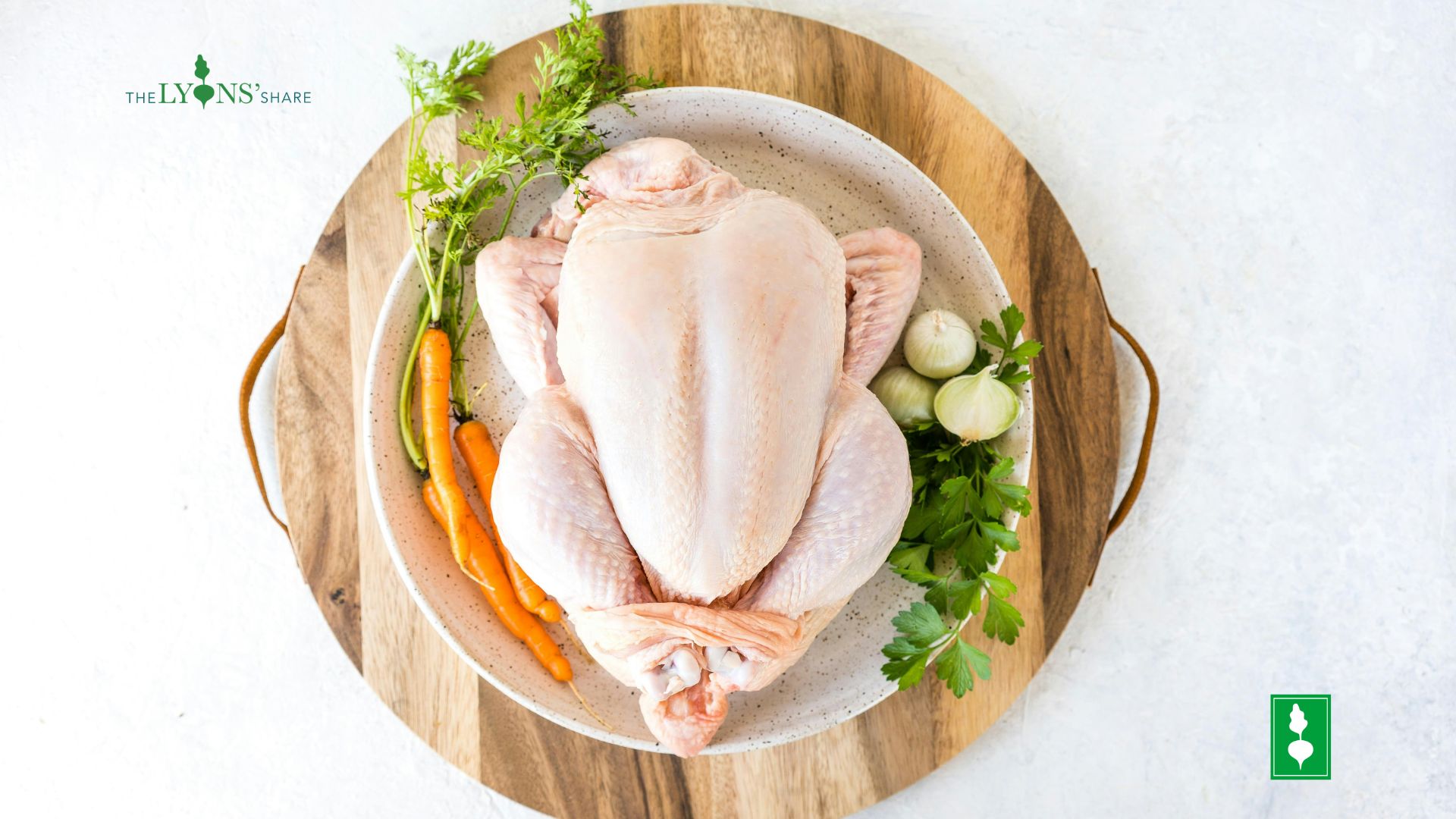
If you’ve spent any time on social media in the health and nutrition world recently, you’ve probably heard one message loud and clear: “Eat more protein for fat loss, muscle and metabolic health.” And in the vast majority of our patients at The Lyons’ Share, that advice is absolutely warranted. We spend a lot of time helping people increase their protein intake to reach their goals!
That said, like most things in nutrition, the conversation around protein for fat loss has become a bit… oversimplified.
So often, we see in practice that people are trying to increase their protein intake, and trying to “do everything right,” and yet … they don’t feel better, or don’t see the results they expected, or sometimes, they even gain weight when they’re trying to lose it. What’s the problem? The problem isn’t the goal of eating more protein for fat loss, muscle or metabolic health. The problem is that we’re not having the full conversation about how protein for fat loss, muscle or metabolic health actually works in the body.
This post features the highlights of that exact conversation that we have with our clients every day.
Protein 101: Total Intake Does Matter
Let’s start with the basics (many of which we cover in this post.) Protein is essential for:
- Muscle repair and growth
- Hormone production
- Immune function
- Tons of enzymatic reactions
- Satiety and blood sugar balance
The current RDA for protein is 0.8 g/kg body weight (~0.36 g/lb), but this is simply the amount needed to prevent deficiency, not to optimize health or body composition. The 2026 Dietary Guidelines for Americans increased that to 1.2–1.6 g /kg body weight (closer to 0.7g/lb), which is a big improvement!
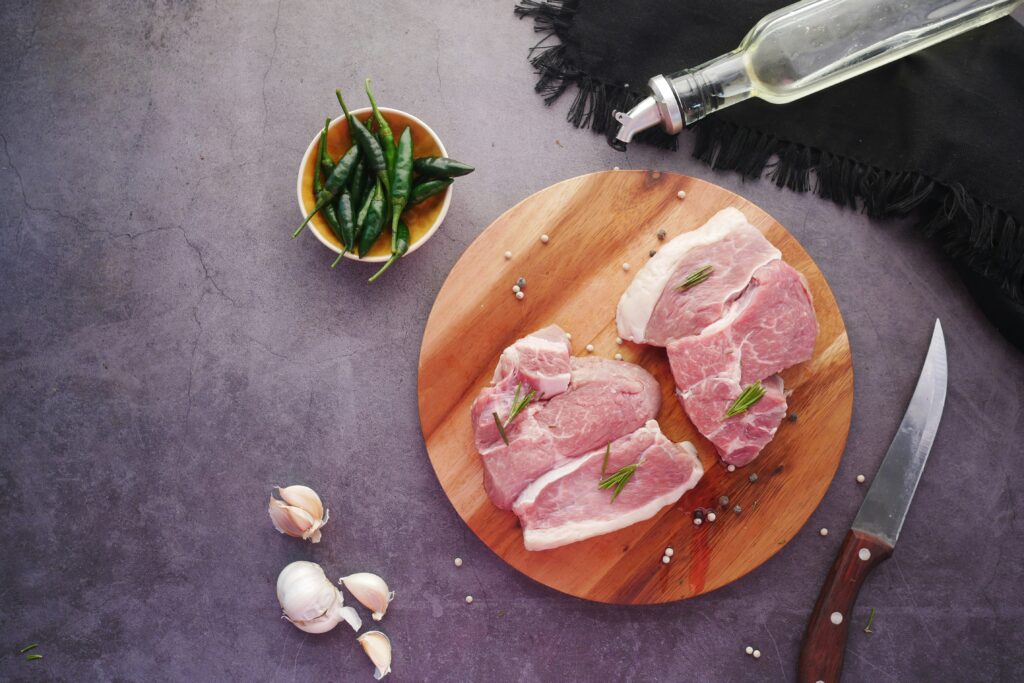
For most of my clients (most of whom are looking to build or preserve muscle, lose or preserve weight, and feel more energized, balance hormones, and improve metabolic health), I recommend something closer to:
- 0.7–1.0 grams of protein per pound of body weight, depending on goals, activity level, and metabolic health
There’s strong research to support going higher than current government recommendations. A large meta-analysis found that muscle-building benefits plateau around 1.6 g/kg (which is about 0.75 grams of protein per pound of body weight!) but that additional may be helpful in some and was not harmful. Reports such as this one in the Journal of Obesity and Metabolic Syndrome show that higher protein than dietary recommendations suggest reduces body weight, decreases fat mass, and preserves fat-free mass.
Higher protein intake is consistently associated with improved satiety, better body composition, and improved metabolic markers.
So yes, total protein matters. But it’s just the beginning of the story.
Why Protein Isn’t Just About the Daily Total
One of the biggest gaps I see when people are hitting their protein goal but not getting the results they want is in how and when they are consuming the protein.
Your body doesn’t use protein in one continuous stream throughout the day. Instead, it relies on something called muscle protein synthesis (MPS)—a process that happens in pulses. To stimulate MPS, you need enough protein at once, but even more specifically, you need enough of specific amino acids (especially leucine). Hitting a target of leucine (about 2.5g) activates muscle protein synthesis, which supports muscle maintenance and growth (key factors in improving body composition over time).
For most people, this means getting ~25–40 grams of high-quality protein per meal, at one time. Research shows that evenly distributing protein intake across meals leads to greater muscle protein synthesis compared to skewed intake.
The “Protein Skew” Problem
Instead of getting pulses of 25-40g protein throughout the day, most people eat protein like this:
- Breakfast: 5–10g
- Lunch: 15–20g
- Dinner: 60–80g
And while the daily total might look fine (this is up to 110g), they’re only effectively stimulating muscle protein synthesis once per day. Unfortunately, we can’t “make up” for low protein earlier in the day by eating a huge protein-heavy dinner.

Protein and Blood Sugar: An Underrated Power Tool
Another piece that doesn’t get nearly enough attention is how protein impacts blood sugar stability. Protein slows gastric emptying, blunts glucose spikes, increases satiety hormones like GLP-1 and PYY, and helps stabilize energy levels. This is why a low-protein breakfast (think: toast, oatmeal, smoothie without adequate protein) often leads to mid-morning crashes, cravings, and energy dips, whereas a protein-rich breakfast stabilizes energy, improves focus, and reduces the likelihood of overeating later.
And this becomes especially important when we start talking about body composition.
The Missing Piece: Protein Source and Caloric Density
This is the part of the conversation that trips people up when they start trying to increase their protein and end up gaining weight. When people are told to “eat more protein,” they often increase intake using the foods they already enjoy. And those foods are often:
- Higher-fat cuts of meat
- Sausage
- Full-fat dairy
- Cheese
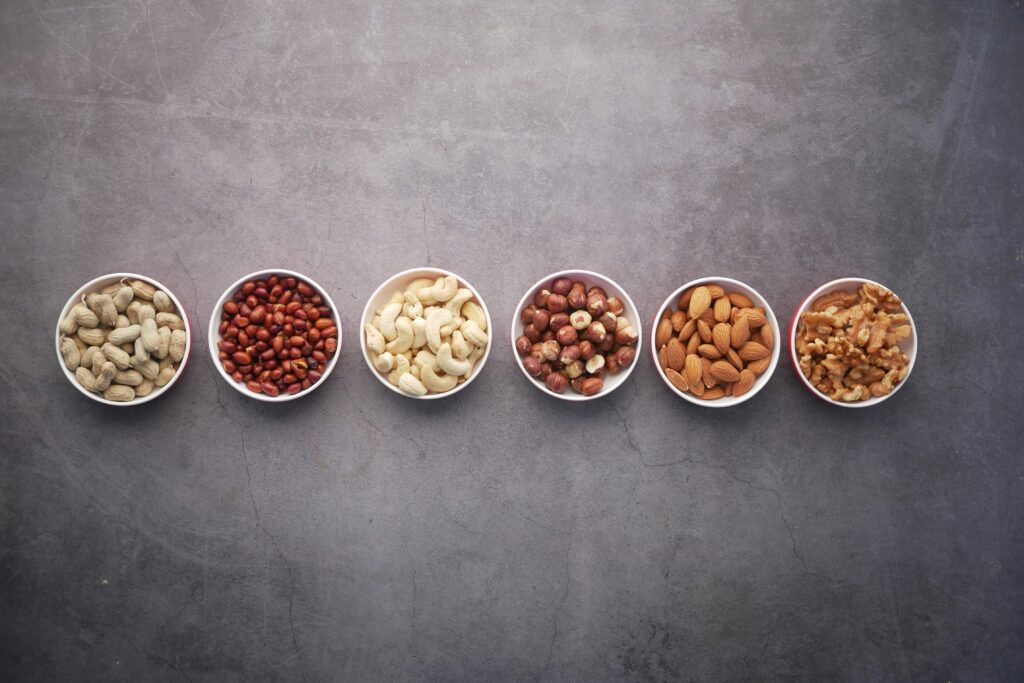
- Nuts
There is nothing inherently wrong with these foods. But here’s the reality: these foods have far more calories from fat than they do from protein, and fat is more calorie-dense. Fat contains 9 calories per gram, compared to 4 calories per gram for protein. So when someone increases protein intake primarily through higher-fat sources, they are often increasing calories significantly without realizing it.
Another example is when people try to increase protein from:
- Quinoa
- Beans
- Hummus
- “High-protein” wraps and breads
All of these foods contain some protein, but they are primarily sources of carbohydrates (and fat, in the case of hummus), so the protein-to-calorie ratio is much lower.
Let me repeat so you hear it: neither fat nor carbohydrates are “bad” (and both are especially important for things like hormone balance, so we definitely don’t want to go too low!) Fat is just calorie dense, and carbohydrates add up quickly. So if you’re trying to increase your protein for fat loss by eating more nuts and cheese and sausage and hummus, you’re increasing calories much faster than you’re increasing protein, and your body may store the excess energy (as fat) rather than using it for your intended goals.
A Real-Life Example
I had a client who needed to increase her protein intake for body composition goals. She did exactly what she was told.
She increased:
- Venison sausage
- Full-fat yogurt
- Cheese
- Beef jerky
All great foods, and super tasty. But over time, she gained weight, her digestion became sluggish, and she didn’t feel great. Protein wasn’t the problem in this case, but the way she increased protein also significantly increased total caloric intake.
Why This Matters More Now Than It Did 100 Years Ago
This is where people say, “100 years ago, people weren’t eating fat-free yogurt and chicken breast only. Why do we have to do so now?”
Historically, a whole lot was different. People were more active, food was less processed, stress levels were different, metabolic dysfunction was less prevalent, digestion wasn’t impaired by processed additives … and so much more. Our environments, activity levels, and metabolic demands were different, which influenced how our bodies responded to food. Today, we have to (get to!) be more intentional.
When Purer Protein Sources Make Sense
So if increasing protein for fat loss, muscle, and metabolic health is the goal, we need to think not just about more, but about efficiency. For individuals with body composition goals, there is often a time and place to adjust protein sources strategically.
Examples of lower-fat, lower-carb, higher-protein-density options:
- Egg whites (or a mix of whole eggs + egg whites)
- Greek yogurt (lower fat versions if needed)
- Cottage cheese
- Chicken or turkey breast
- Leaner cuts of beef
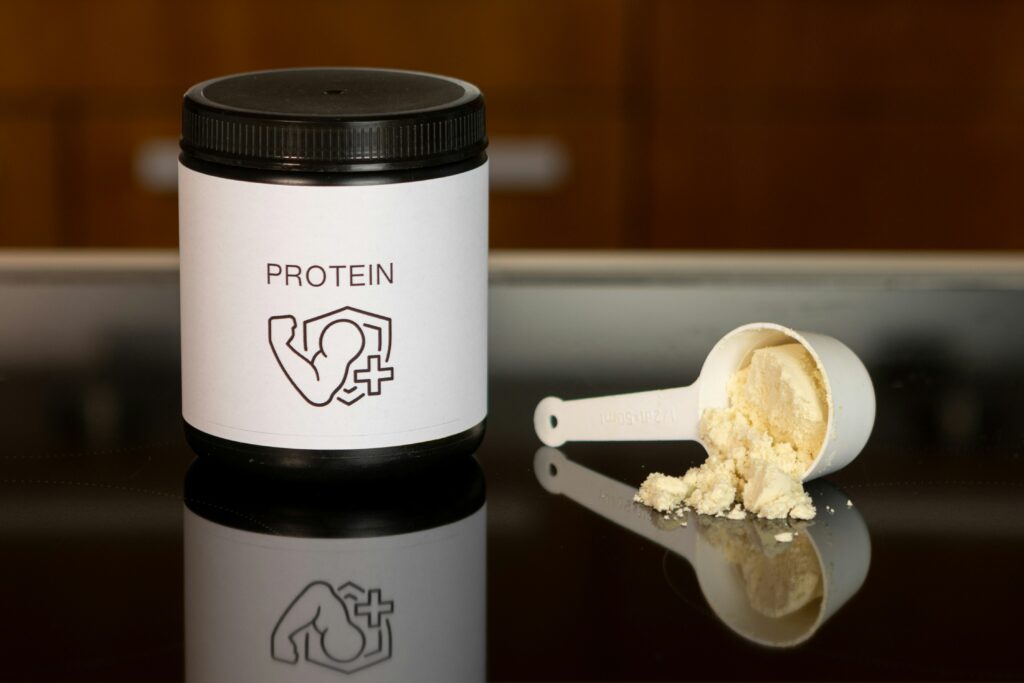
- Protein powders (when whole food isn’t practical; see this post for how to choose a protein powder!)
This allows us to increase protein, support muscle maintenance, and stabilize blood sugar without unintentionally overshooting calories. And then we can add our fat and carb sources where they make the biggest difference, like in avocado, nuts, oils, nut butter, fruit, potatoes, and whatever else we enjoy.
Protein Needs Are Not Static
Another important point in trying to figure out how to eat the right amount of protein for fat loss, muscle and metabolic health is that our protein needs are not fixed. They increase with heavy exercise / training (especially endurance + strength), aging (due to anabolic resistance), calorie deficits (so when you’re eating less calories overall in trying to lose weight, more of them need to come from protein), stress, illness or recovery, and more.
Any of these increase our need for protein. For example, endurance training creates repeated muscle breakdown, increased need for repair, and higher overall protein turnover, which means consistency and distribution matter even more. As an endurance athlete myself, I consume slightly more than 1 gram of protein per pound of my body weight daily, spaced evenly throughout meals.
Common Protein Mistakes I See (Especially in High-Performing Women)
- “I Eat Healthy” but not enough protein: when we’re eating lots of salads, smoothies, and snack plates, we can often get nutrient-dense, delicious, healthy meals, but not reach our protein goals.
- Saving protein for dinner: It’s worth repeating from above … if you’re not getting adequate protein at breakfast and lunch, it’s impossible to “make up for it” at dinner.
- Not hitting the leucine / MPS threshold: getting “a source” of protein at each meal, like getting 2 eggs (about 12g protein), but never getting the 25-40g protein needed to stimulate MPS.
- Undereating overall: Protein is super important, and it’s the topic of conversation here. But if we’re undereating carbohydrates and fat (which are our preferred sources of energy), then protein gets used for energy out of desperation, and there isn’t enough protein left over for tissue repair.
- Overdoing protein packaged with fat or carbs: as mentioned above, we can get excess calories from high-fat or high-carb protein sources.
- Not adjusting for lifestyle: training, stress, and hormones all matter, and all increase our need for protein!
A Simple Framework That Actually Works
If you’re looking to apply this without overcomplicating it, here’s where I’d start:
- Daily Target : Aim for ~0.7–1.0 g per pound of body weight. If you weigh 150 lbs, that means 105-150 grams of protein per day. If you weigh 200 lbs, that means 140-200 grams of protein per day.
- Protein Per Meal: Aim for 25–40g protein, 3–4 times per day.
- Balance the Plate: If you’ve been around here for a while, you know that each plate should have protein + fat + fiber + optional additional carbohydrates based on need.
Protein FAQS
(thank you to my Instagram audience for submitting great questions!)
- How much protein can you absorb at one time? You may have heard that your body can only “absorb” 25–30 grams of protein at a time, but that’s a bit of an oversimplification. Your body can digest and absorb essentially all the protein you eat; the question is how much is used at one time to maximally stimulate muscle protein synthesis (MPS). Older research suggested this plateau occurred around 20–40g per meal, but newer studies indicate that larger doses (even 60g+ in some contexts) can still be utilized (especially in larger individuals or after intense training), so the real takeaway is less about a hard cap and more about distributing protein evenly throughout the day for optimal use.
- Are the calculations for total body weight or lean mass weight or ideal body weight? For most people, calculating protein needs based on total body weight is a practical starting point. However, for individuals with a higher degree of excess body fat (if you have >50 lbs fat to lose), using a goal weight or adjusted body weight can provide a more accurate target and prevent overshooting intake. While lean body mass is theoretically the most precise method, it’s often difficult to measure accurately in real life, so total or goal weight tends to be the most useful approach in practice.
- How much protein is too much? For most healthy individuals, protein intakes up to ~1.0–1.2g per pound of body weight are well tolerated, but consistently exceeding this without a clear reason may displace other important nutrients or add unnecessary calories.
- How many times per day should you eat protein? For most people, I recommend aiming for 3–4 protein-containing meals per day, each with enough protein (about 25–40g) to effectively stimulate muscle protein synthesis.
- Can eating too much of one particular protein cause intolerance? In some cases, repeatedly consuming the same protein source may contribute to digestive symptoms or sensitivities, particularly if gut health is already compromised and leaky gut is present.
- Is there a recommended animal vs. plant protein ratio? There’s no strict ratio, but incorporating a mix of both can be beneficial, with animal proteins generally being more complete and plant proteins adding fiber, phytonutrients, and diversity.
Final Thoughts: Total Protein is Only Part of the Goal
Protein is one of the most powerful tools we have in nutrition, but it’s not just about hitting a number. It’s about distribution, timing, source, context, and alignment with your goals. If you’re already eating “enough” protein but not getting the results you want, I hope you’ll use these strategies to tailor your approach to get even better results! When you nail this piece, you feel it in your energy, your recovery, and your results.
Now it’s your turn … What are some of your favorite sources of protein? What other questions do you have about protein?

0 Comments