
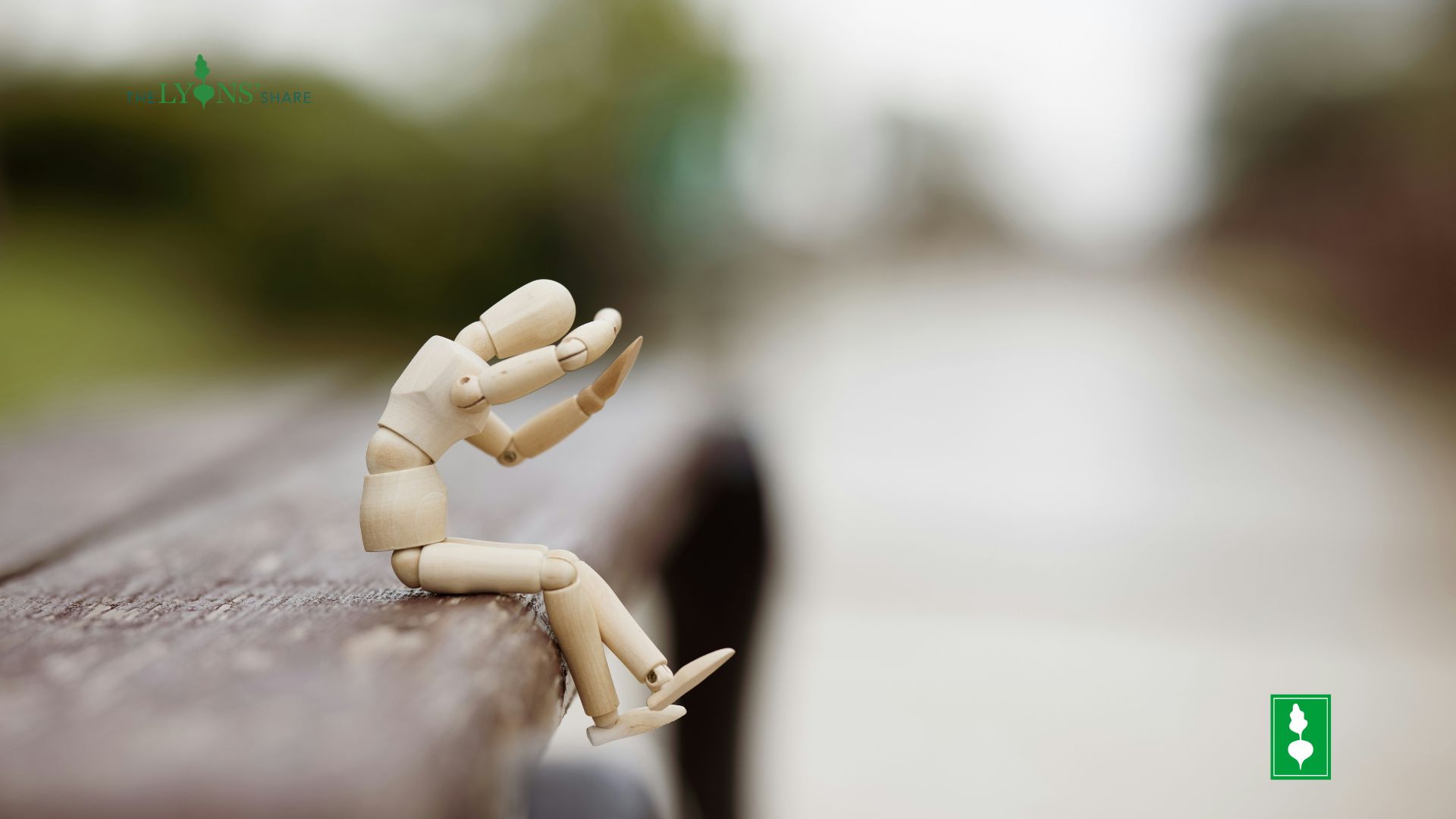
If I had a dollar for every time a client told me, “I don’t think it’s stress,” I would probably be writing this blog post from my private villa on a tropical beach.
And sometimes, that’s true. But more often, it’s one of two things:
- They’re minimizing their stress because they feel like they shouldn’t be stressed (“My life is good… other people have it worse…”), or
- They genuinely don’t realize how many different forms of stress their body is navigating every single day
I often respond by telling them, “Saying you’re not allowed to be stressed because someone else has it worse is like saying you’re not allowed to be hungry because someone else is hungrier. It doesn’t work that way.”
Many people think of stress as a comparison game or an inability to control emotions, but it’s not; it’s a physiological reality that has much bigger impacts than many realize. We’ll unpack all of this in today’s blog post.

What Stress Actually Is (and Why Most People Define It Wrong)
Let’s start with a more accurate definition of stress: Stress is any demand placed on the body that requires adaptation.
This means stress can come from:
- Emotional inputs
- Physical strain
- Blood sugar fluctuations
- Hormone fluctuations
- Poor sleep
- Environmental toxins
- Inflammation
- Even things that are objectively positive, like travel or planning a wedding
This is why someone can say, “I don’t feel stressed,” and still have a body that is very clearly under stress.
The body doesn’t care whether the stressor is “good” or “bad,” chosen or imposed, necessary to lead to the outcome we desire, or anything else. It just perceives stress, and knows that it has to adapt.
The Stress Bucket: Why It’s Not Just One Thing
One of the most helpful ways to understand this is what I call the stress bucket.
Imagine your body has a bucket. Every stressor adds water to that bucket.
- A poor night of sleep → adds water
- Blood sugar crash → adds water
- Tough conversation → adds water
- Intense workout → adds water
- Travel day → adds water
- Low-grade gut inflammation → adds water
Individually, none of these may seem like a big deal, but stress is cumulative. It doesn’t stay in separate lanes. Your body doesn’t think, “I am having a rough emotional time but I love my super hard workout so I’ll do it anyway” … it just thinks “stress is adding up: rough emotions + hard workout is a double whammy.”
Your body doesn’t have one bucket for emotional stress, one for physical stress, and one for chemical stress. It all goes into the same bucket. And when the stress bucket “overflows,” we start to see symptoms.
What Does “Overflow” Actually Look Like?
This is where things get interesting, because the symptoms people experience often don’t feel like stress.
Some of the top stress-related symptoms I see in practice are:
- Hormone imbalances
- Digestive issues (bloating, constipation, IBS)
- Skin flare-ups (acne, eczema, rosacea)
- Fatigue or burnout
- Weight loss resistance
- Insulin resistance or elevated blood sugar
- Anxiety or irritability
- Poor sleep
It’s very common for people to report each of these as separate problems, but often, they’re different expressions of the same underlying issue: The stress bucket is full.

The Hidden Stressors Most People Miss
So are these people gaslighting themselves? In some cases, yes, but not necessarily. More often, when people think about stress, they usually think about emotional stress, and if they perceive less emotional stress than they’ve had in the past, they assume their body is not stressed.
However, some of the most impactful stressors are the ones people don’t feel as strongly. Here are some of the hidden stressors people miss most frequently:
- Blood Sugar Instability: Every time your blood sugar spikes and crashes, your body has to compensate. A drop in blood sugar triggers a release of cortisol and adrenaline, and your heart rate and alertness increase. This is your body trying to protect you and maintain balance, but if it’s happening multiple times each day, that turns into chronic stress.
- Undereating or Low Protein Intake: Many of our clients are high-performing women who are exercising regularly, eating “clean” and trying to be mindful of intake, which often leads to a caloric intake below their body’s needs. The body perceives this as a scarcity stressor, again driving cortisol up, thyroid signaling down, and sex hormones down. This is a common reason why those people “doing everything right” can feel stuck!
- Overtraining without Adequate Recovery: Exercise is a stressor. A super helpful one, when balanced with recovery! But when layered with poor sleep, undereating, high work stress, and low recovery, this is adding a significant amount to the stress bucket.
- Sleep Disruption: Even one night of poor sleep increases cortisol, reduces insulin sensitivity, and increases inflammatory markers. We can rebound quickly from one night of poor sleep, but if this happens chronically, the bucket becomes very full.
- Environmental and Lifestyle Stressors: These are the ones people almost never think about because they’re individually small, but based on our current environment, they are collectively meaningful. They include:
- Blue light exposure, especially late at night but even chronic eye strain from staring at screens all day
- Travel and circadian disruption (but here’s how to reduce that!)
- Air pollution
- Chemical exposures
- Noise and overstimulation
Even “Good” Things Can Be Stress
Have you ever heard of eustress? Eustress is positive stress – things like planning a wedding, traveling somewhere exciting, starting a new job, or training for a race. These are meaningful and joyful, but they still require adaptation by the body, so they are still stress. This is why people sometimes feel exhausted after events they were genuinely excited about.

What Stress Is Actually Doing Inside Your Body
When all this is happening externally, what is actually happening inside your body? Several things:
- Hormones (especially cortisol) are shifting
- Cortisol is your primary stress hormone. Short term, it’s incredibly helpful, but when it is elevated chronically, it can suppress thyroid function (and T3 conversion), lower progesterone (impacting cycles and fertility), increase insulin resistance, shift fat storage patterns, and more.This is why stress often shows up as irregular cycles, PMS, weight gain or weight loss resistance, fatigue, missed periods, hormonal acne, or other symptoms we think are “just hormones.”
- Digestion and microbiome are deteriorating
- Stress directly affects the gut through the gut-brain axis. Stress can slow or speed up motility (constipation or diarrhea), increase intestinal permeability (“leaky gut”), and alter microbiome composition.This is why stress often shows up as bloating, constipation, diarrhea, IBS symptoms, food sensitivities and intolerances, or general feelings of something “not being right” in the gut.
- Blood sugar is destabilizing
- Stress increases blood glucose, even without food (read about my own experience with that). Cortisol tells the liver to release glucose into the bloodstream so we have the ability to “run from a tiger” or escape an otherwise stressful situation. This means that you can have blood sugar spikes even if your diet is “perfect.”In a seemingly “unfair” twist of fate, unstable blood sugar also creates more stress, creating a vicious cycle.
- Inflammation is smoldering
- Chronic stress increases pro-inflammatory cytokines, oxidative stress, and immune activation (all fancy ways of explaining inflammation, which is explained more simply here.
Over time, this contributes to autoimmune conditions, cardiovascular, cancer, and diabetes risk, chronic fatigue, and more.
Why You Can’t “Out-Supplement” Stress
Trust me, I absolutely wish there was a pill that would eliminate stress. I’d take it in a heartbeat! But the truth is, that you can take the right supplements, eat a healthy diet, follow all the “rules,” and if your stress bucket is overflowing, your progress will still be limited.
It’s easy to think this is the body fighting against us, but it’s not. The body prioritizes survival over optimization, and it’s just trying to keep you safe when it perceives a threat. In the face of a threat, now is not the time to build muscle, balance hormones, keep your hair intact, or improve digestion – it’s just time to keep the heart beating and blood flowing! So it’s trying to direct energy to only what it perceives as essential functions, and ignores the rest.
What are We Supposed to Do? The Two Levers: Reduce Load + Increase Capacity
The goal is not to eliminate stress (that’s impossible!). The goal is to manage your total load and increase your capacity to handle it. We do this in two ways:
First, reduce the inputs (empty the bucket). Ask yourself what can be simplified, delegated, or eliminated. Ask which stressors are optional vs. required. As what you can offload, even momentarily.
Examples:
- Stabilizing blood sugar with balanced meals
- Pulling back slightly on training intensity
- Reducing alcohol or late-night screen exposure
- Getting a babysitter or asking for help one night per week
Second, increase your capacity (make the bucket bigger). This is stress resilience, and it’s where I put a ton of my personal energy. I want to be able to withstand more and more stress without it impacting me negatively, so I train my body to be able to handle more.
Examples:
- Sleep consistency
- Breathwork or meditation
- Time outdoors
- Strength training (appropriately dosed)
- Supportive relationships
- Intentional time away from screens
These don’t remove stress; they increase your ability to handle it, and in an ever-stressful world, I think they are crucially important.

The Bottom Line: Stress Isn’t the Enemy, but We Must Know How to Handle It
Stress is not inherently bad; it’s necessary for growth, adaptation, and resilience. However, problems arise when we have unrecognized, unregulated, cumulative stress. So, instead of asking “am I stressed?,” try asking “what is filling my stress bucket right now?” And then ask what you can do to reduce what’s filling it up, and support it in getting bigger. As much as I personally am a “doer,” very often, the path to feeling better isn’t doing more, but rather understanding what our bodies need and adjusting accordingly.
Now it’s your turn … What are some of your previously unrecognized sources of stress?
0 Comments