
You have changed your cleanser, bought the expensive moisturizer, and tried the treatment that worked beautifully for your friend. Yet your skin keeps flaring. Maybe the breakouts arrive like clockwork before your period. Maybe the itchy patches return whenever life gets stressful. Or maybe your skin and digestion both seem to have developed a mind of their own.
It is reasonable to wonder whether something else is going on, and I’m here to walk you through some of the top culprits.
Your skin is one of the most visible windows into your health. Hormones, nutrient availability, immune activity, blood sugar regulation, stress, and digestive health can all influence what happens at the surface. A cream can be helpful, but it cannot tell you whether you are getting enough protein, whether your thyroid is functioning well, or whether a food you eat every day is contributing to your symptoms.
As a Doctor of Clinical Nutrition and functional medicine practitioner, when someone comes to me with a chronic skin concern, the gut is one of the first places I look. Food is another. In my clinical experience, these connections frequently deserve more attention than they have received.
That does not mean every rash has the same explanation. Genetics, skin barrier function, infections, medications, and environmental exposures also matter. It means we can ask broader questions while still getting the skin itself properly evaluated. Dermatology and functional nutrition can work beautifully together!
Let’s look at what some common skin concerns may be telling you, and where nutrition can make a meaningful difference.
First, the Gut–Skin Connection
Your gut and skin are in constant communication through your immune system, circulating metabolites, and inflammatory signaling. Researchers call this the gut–skin axis, and it impacts many of the common skin issues people come to us looking to resolve.
For example, a 2026 systematic review of 33 clinical studies examined oral and topical prebiotics, probiotics, and postbiotics for acne. The authors found promising results for probiotics in support of acne treatment.
In practice, I want to know: Are you constipated? Do you experience bloating, reflux, or diarrhea? Did your skin change after an illness or medication? How much fiber and plant variety are you eating? Are you relying on foods that leave you feeling inflamed or uncomfortable?
Those questions help us decide where to investigate. They also make the connection between your skin and the rest of your body much more useful than simply telling you to “take a probiotic” without knowing more.
Let’s dive into 8 of the most common skin issues we see in practice.
1. Acne: Blood Sugar, Hormones, Dairy, and the Gut
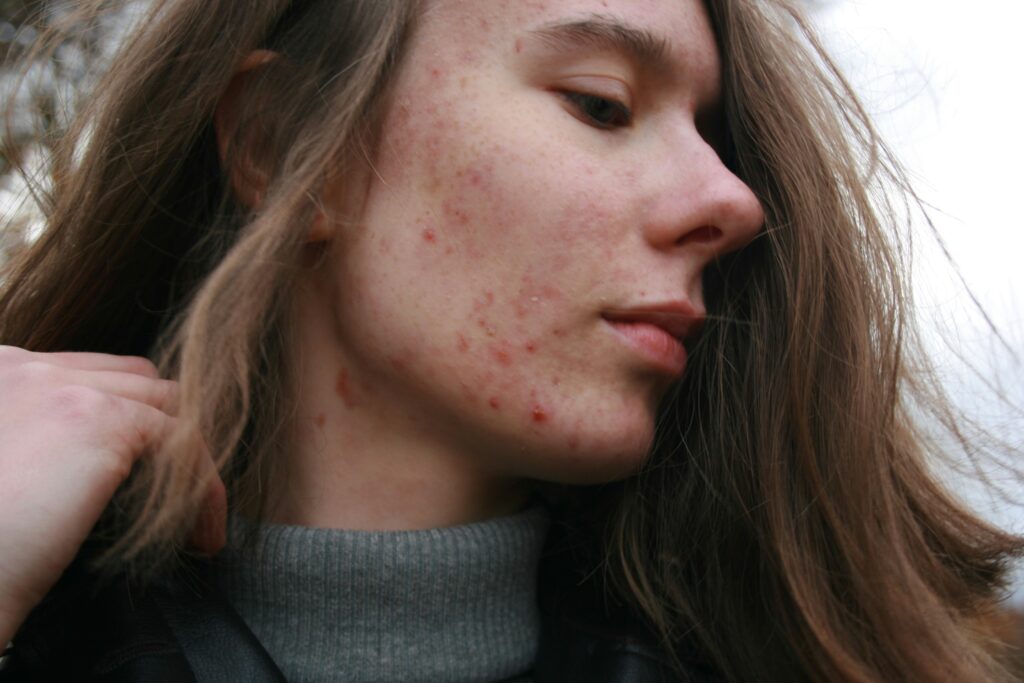
Acne is often discussed as a teenage problem, which is not particularly comforting when you are dealing with it at 35, 45, or beyond. Adult acne can be frustrating, especially when it appears alongside irregular cycles, unwanted facial hair, or changes in metabolism.
Insulin and insulin-like growth factor 1, or IGF-1, are important parts of the conversation. These signaling pathways can influence oil production and the processes that contribute to clogged follicles. Androgens, including testosterone, also affect the skin. The result can be an environment more prone to breakouts.
Blood sugar
A systematic review of diet and acne found that higher glycemic index and glycemic load were associated with acne. This makes blood sugar support a practical starting point: build meals around adequate protein, fiber-rich plants, and healthy fats; reduce frequent sugary drinks and refined carbohydrate snacks; and eat enough to avoid a daily cycle of restriction followed by intense cravings. If you want more support with your blood sugar, our Reignite Your Metabolism program is perfect for you.
PMOS
For women with acne plus irregular periods, increased facial hair, or scalp thinning, I also consider whether PMOS (formerly called PCOS) deserves evaluation. A jawline breakout alone cannot diagnose a hormone imbalance, but the broader pattern can provide useful clues. For more on PMOS, see this post).
Dairy
If you are struggling with persistent acne, a four-week dairy-free trial is often worth considering. A meta-analysis involving 78,529 children, adolescents, and young adults) found an association between dairy intake and acne, meaning the more dairy someone consumed, the more likely they were to have acne. A separate milk meta-analysis of 71,819 people also found a positive association. These were observational studies, so they do not prove dairy causes acne in everyone. They do provide a reasonable foundation for a personal experiment, and I have almost all of my clients struggling with acne do a dairy-free trial then intentional reintroduction.
Whey protein
Whey deserves its own mention because it may be hiding in your “healthy” morning shake. It is a milk-derived protein that stimulates insulin release, and insulin/IGF-1 signaling provides a plausible link to acne. Published reports and reviews have linked whey supplementation with acne (sources: here, here, here, and here). If you use whey daily and your acne is persistent, I would include it in the dairy-removal experiment.
Antibiotics and acne
Some patients are given an antibiotic (like doxycycline) for acne, and sometimes it works! If an antibiotic cleared your acne, we gain a lot of information about what’s going on and can dive deeper into gut health and getting to the root of the issue. Bacterial activity and inflammation participate in acne, and antibiotics can affect both. A review of acne, the skin microbiome, and antibiotic treatment explains these relationships.
So are antibiotics always the answer? Absolutely not!! Repeated or prolonged antibiotic exposure also tends to lead to antibiotic resistance and worsening acne over time. A 2025 meta-analysis documented antibiotic resistance in Cutibacterium acnes. So while it may be a temporary, one-time treatment, I would absolutely not recommend considering long-term antibiotic use as an effective treatment for acne.
Nutrient levels
Finally, I look at nutrient intake. Zinc supports immune function and tissue repair, and omega-3 fats participate in inflammatory regulation. A trial of omega-3 supplementation reported improvements in acne. These can be useful adjuncts, but supplements should fit your intake and needs. There’s no harm in focusing on these nutrients in food, and then if testing shows you need more support, we can add supplements at an individual level.
2. Eczema: The Gut, Immune System, and Skin Barrier
Eczema, or atopic dermatitis, often involves an itchy, inflamed skin barrier that struggles to retain moisture and protect against irritants. It often occurs alongside allergies or asthma. The itch disrupts sleep, poor sleep makes everything feel harder, and stress can add another layer to the cycle.
From a functional nutrition perspective, I want to understand both the skin barrier and the immune environment supporting it. That includes digestive symptoms, food reactions, nutrient intake, and antibiotic history.
Gut health
A 2025 systematic review of the gut microbiome in adults with atopic dermatitis found differences in microbial composition in those with eczema, and showed evidence that some interventions targeting the microbiome may help.
Food reactions
Gluten and dairy are often the first foods I may investigate in patients with eczema, but it’s not as simple as “take out gluten and my eczema goes away.” A systematic review of dietary elimination in eczema found only small average improvements when the only intervention is removing a food. Instead, we need to look at gut health overall and the pattern of dietary intake that is leading to an autoimmune and inflammatory response.
Nutrient intake
I also look at whether meals supply enough protein, essential fats, zinc, and vitamin D. These nutrients participate in tissue maintenance and immune function; deficiencies deserve correction.
Topical irritants
Meanwhile, moisturizers, gentle cleansers, fragrance-free products, and attention to heat, sweat, detergents, and dry air still matter. Feeding the skin from within and protecting its barrier from the outside are complementary strategies.
3. Psoriasis: A Skin Signal With Metabolic and Immune Connections
Psoriasis is an immune-mediated inflammatory condition. Its significance can extend well beyond the visible plaques, which is why I want to understand the patient’s metabolic health, digestion, and nutrition to help them resolve their psoriasis.
Metabolic syndrome
Research consistently links psoriasis with metabolic syndrome: the cluster of abdominal obesity, blood pressure abnormalities, elevated glucose, and unfavorable lipids. An updated meta-analysis found an association between psoriasis and metabolic syndrome. These conditions can share inflammatory pathways, so blood sugar, blood pressure, and cardiovascular risk deserve attention alongside the skin.
Gluten
Of the conditions in this article, psoriasis has one of the stronger research connections to celiac disease. A meta-analysis found that people with psoriasis had more than twice the odds of celiac disease compared with controls. That is a meaningful reason to consider celiac evaluation when psoriasis occurs alongside digestive complaints, unexplained iron deficiency, or a relevant family history.
Even without overt celiac disease, the incidence of non-celiac gluten sensitivity is high in patients with psoriasis, and in clinical practice, I find it rare that people can fully heal from psoriasis without strongly reducing or eliminating gluten.
Mediterranean style diet
A Mediterranean-style eating pattern offers a practical foundation for almost all health: vegetables, legumes, fruit, nuts, seeds, fish, extra-virgin olive oil, and minimally processed foods. In those with psoriasis, it may be even more important.
In the 2025 MEDIPSO trial, adults with mild to moderate psoriasis received either a Mediterranean diet intervention or standard low-fat dietary advice. After 16 weeks, psoriasis severity improved more in the Mediterranean diet group. A 2025 systematic review of dietary approaches in psoriasis also identified potentially useful roles for Mediterranean patterns, fiber, selected gluten-free approaches, and omega-3 fats.

Overall approach
Practically, I would prioritize plant variety, adequate fiber, healthy fats, reduced alcohol intake, and correction of vitamin D deficiency when present. Stress management, movement, and smoking cessation also belong in the broader plan. If you have joint pain, swelling, or prolonged morning stiffness, tell your treating clinician; psoriasis can involve the joints as well.
4. Rosacea: A Particularly Interesting Gut–Skin Connection
Rosacea can cause persistent facial redness, flushing, visible blood vessels, and bumps that resemble acne. For some people, heat, alcohol, spicy foods, or a steaming drink are obvious triggers. Others find their skin flares without an explanation they can identify.
Gut health
The gut is high on my list when rosacea appears alongside bloating, altered bowel habits, reflux, or abdominal discomfort. A large Danish population study found associations between rosacea and several gastrointestinal conditions, including celiac disease, inflammatory bowel disease, and irritable bowel syndrome.
One of the most interesting intervention studies is a 2008 trial examining SIBO treatment in people with rosacea . Among participants whose SIBO was eradicated, skin lesions frequently cleared or improved substantially. The study was relatively small, and the dermatologists evaluating outcomes were not blinded to treatment, but it still underscores the connection between gut and skin.
Research on Helicobacter pylori, a stomach infection, is also mixed. A prospective study reported skin improvement after successful eradication in infected participants, but I wouldn’t say this happens in every single case. Often, H. pylori co-occurs with other conditions that need to be resolved as well.
Gluten and histamines
Because of its connection to intestinal permeability, gluten plays a role here as well, and eliminating gluten is often an important step in resolving rosacea in my practice and in the research. Histamine-related foods may also be worth tracking for an individual who notices consistent reactions, although flushing alone does not diagnose histamine intolerance.
Hot beverages
In some, physically warm or hot foods can trigger a rosacea flare. A simple food-and-symptom journal can help distinguish a trigger from a coincidence. Record what you ate, whether the drink was hot, alcohol intake, exercise or heat exposure, stress, and digestive symptoms. You may discover that the temperature of your beverage matters more than its ingredients.

5. Dry or Flaky Skin: Thyroid, Estrogen, and Nutrient Availability
Sometimes dry skin reflects winter air or an overly enthusiastic cleansing routine. But persistent dryness (especially alongside fatigue, constipation, feeling cold, or hair changes) can also be a reason to investigate thyroid function, estrogen levels, and nutrient availability.
Thyroid
A review of the dermatologic manifestations of thyroid disease describes how thyroid hormones influence skin, hair, and nails. Your skin cannot diagnose hypothyroidism, but it can help prompt the right questions.
Estrogen
Estrogen is another part of the picture. Falling estrogen during menopause or otherwise can affect skin hydration, thickness, and barrier function. If the moisturizer you have used for years suddenly seems inadequate during the menopausal transition, there may be a physiologic reason.
Fatty acids
Nutrition matters here too. Essential fatty acids help maintain the skin’s barrier. In a small, 12-week randomized trial, flaxseed oil supplementation improved measures of hydration, scaling, and barrier function in women with sensitive skin.
Vitamin A and zinc
Vitamin A supports normal skin cell development, and zinc participates in repair. Food sources include eggs and other animal foods for preformed vitamin A; colorful vegetables for carotenoids; and meat, shellfish, beans, and seeds for zinc. Persistent digestive problems or malabsorption can change whether adequate intake translates into adequate availability. Note that high-dose vitamin A can be toxic, and excessive zinc can interfere with copper status, so supplement decisions need more context and ideally testing.
The foundations
Adequate hydration, shorter warm showers, gentle cleansers, and moisturizer applied after bathing are useful supports.
6. Hair Loss: Iron, Thyroid, Protein, and Enough Food
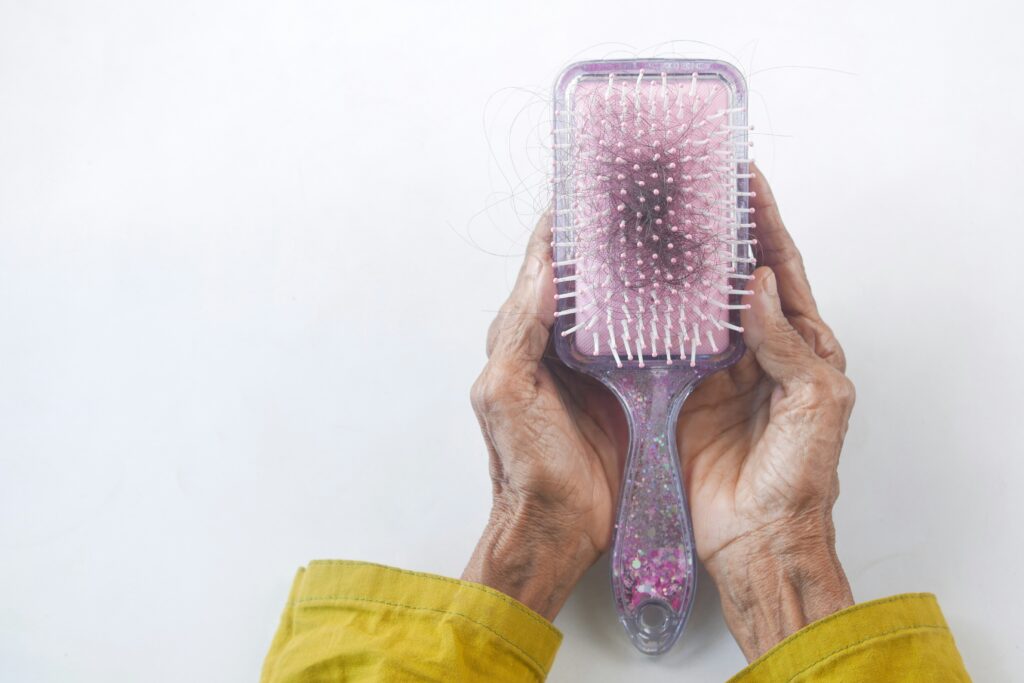
Although it seems separate, hair is an extension of the skin, and hair loss is one of the most useful examples of why a cosmetic concern may deserve an internal investigation.
The pattern matters. Diffuse shedding, gradual widening of the part, distinct bald patches, and inflamed or scarring areas can have very different explanations. Patchy loss, scalp pain, or suspected scarring warrants prompt dermatologic assessment.
Overall dietary intake
For diffuse shedding, I look closely at iron status, thyroid function, protein intake, and total food intake. A review of diet and hair loss describes the relationship between hair shedding, sudden weight loss, inadequate protein, and nutrient deficiencies. A review of vitamins and minerals in hair loss also discusses iron, zinc, vitamin D, and other nutrients, which is why we look closely at nutrient levels in lab work.
Undernourishment
If your diet is low in protein or total calories, a hair supplement will not solve the underlying shortage. This is especially relevant after rapid weight loss, during chronic dieting, or when appetite becomes very low on a GLP-1 medication. Shedding in that setting may involve weight loss, reduced intake, or other contributors; timing alone cannot identify the mechanism.
Stress
Stress, illness, surgery, and childbirth can trigger telogen effluvium, a shift of more hairs into the shedding phase. The shedding often appears a few months after the trigger, which can make the connection easy to miss.
Hormones
Androgens and changing reproductive hormones may also matter, particularly when thinning occurs with acne, unwanted facial hair, or irregular cycles. Addressing a deficiency or dietary shortfall can help when it is contributing, but visible hair recovery takes time. Think in months, with reassessment, rather than expecting a new supplement to change next week’s shower drain.
7. Hives and Itchy Skin: Histamine, Gut Health, and Immune Activity
Hives are raised, itchy welts that can appear and disappear. Histamine is central to the process, but that does not mean every episode is caused by dietary histamine or a food allergy.
Gut health
From a functional perspective, I consider digestive health, food patterns, medications, infections, stress, and immune activity. A 2024 review of the gut microbiome and chronic urticaria describes emerging links between microbial changes and the condition.
Thyroid
The thyroid connection is particularly useful. A meta-analysis of 19 studies found that people with chronic urticaria had substantially higher odds of positive thyroid peroxidase antibodies, an indicator of Hashimoto’s thyroiditis. That association can justify considering thyroid autoimmunity in the evaluation; it does not mean thyroid disease explains every case or that treating antibodies alone will resolve hives.
Histamines
If alcohol, fermented foods, aged foods, or certain other foods repeatedly accompany flares, a short, supported trial of a low-histamine diet may be useful. The aim is to identify a meaningful pattern while maintaining nutrition and expanding the diet again when possible.
Hives recurring for more than six weeks deserve medical evaluation. Persistent itching without visible hives can have different causes and may require a broader assessment. And hives with trouble breathing, throat swelling, faintness, or rapidly progressing symptoms require emergency care.
8. Keratosis Pilaris: What Those Little Bumps Can Tell You
Keratosis pilaris, often called “chicken skin,” causes small, rough bumps commonly found on the upper arms or thighs. It involves keratin accumulating around hair follicles and often occurs alongside dry skin or an atopic tendency.
Vitamin A
Vitamin A participates in normal keratinization, and essential fats support the skin barrier, so dietary adequacy of Vitamin A belongs in the conversation.
Gluten
Gluten is frequently mentioned in functional medicine conversations about these bumps. If someone also has digestive symptoms, an atopic condition, or a reproducible food response, I would consider the broader history. However, strong clinical evidence that gluten commonly causes keratosis pilaris, or that a gluten-free diet reliably treats it, is lacking.
What Labs Might Your Skin Be Asking For?
Once we understand your skin concern, timeline, diet, digestion, medications, and other symptoms, testing can help clarify the next step. The most useful panel is the one chosen for your situation.
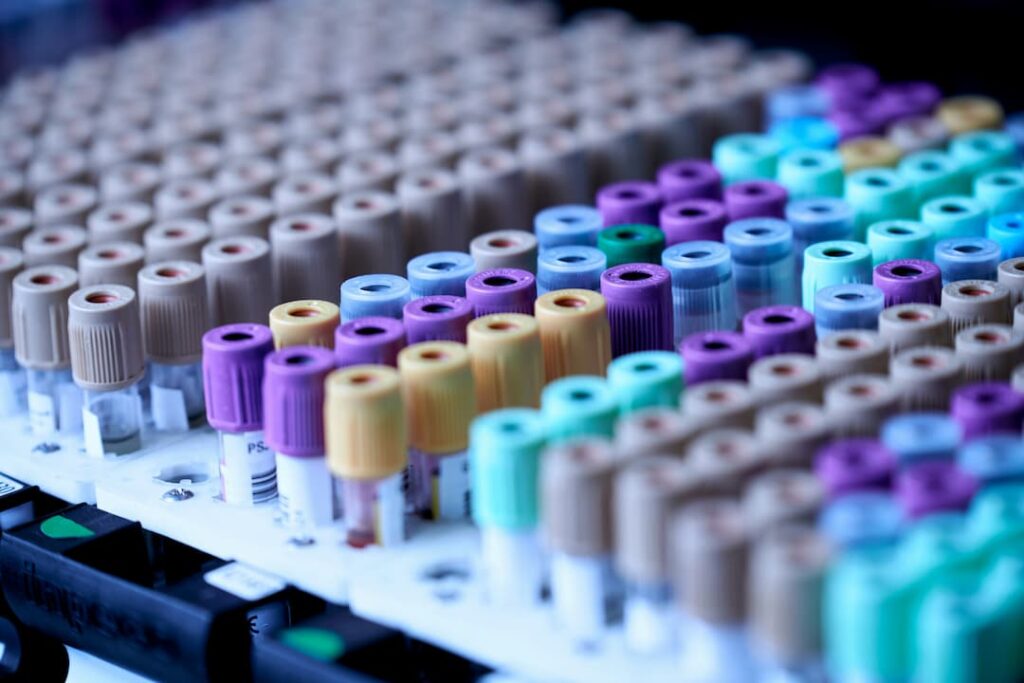
Depending on the pattern, I may consider:
- CBC and comprehensive metabolic panel: clues about anemia, general health, and liver or kidney function.
- Fasting glucose, HbA1c, and fasting insulin: a closer look at metabolic health, particularly with acne, PMOS concerns, or psoriasis.
- Lipids and hs-CRP: cardiovascular and inflammatory context.
- TSH and free T4, with free T3 and thyroid antibodies: selected according to symptoms, thyroid history, and the clinical question.
- Ferritin and an iron panel: especially with shedding, fatigue, heavy menstrual bleeding, restrictive intake, or suspected malabsorption.
- Vitamin D and selected nutrient tests, such as zinc: when intake, symptoms, or risk factors make deficiency plausible. Vitamin A testing is more relevant when deficiency or malabsorption is specifically suspected than as routine screening for dry skin.
- Total and free testosterone, estrogen, DHEA-S, and SHBG: when acne, scalp thinning, unwanted hair growth, or menstrual changes raise an androgen-related question.
- Celiac testing: when the skin condition and other clues justify it, usually beginning with tissue transglutaminase IgA and total IgA.
When Advanced Testing Can Add Information
With significant digestive symptoms, an appropriately selected stool evaluation may provide information about measured organisms, inflammatory markers, or digestive function. Microbiome results require careful interpretation; it is usually more about the patterns we see on reports than any specific organism or bacterial strain. More on why we use stool testing here.
Many people want to test for food sensitivities, and trust me, I will love the day when we have a “perfect” food sensitivity test that gives us all the answers we hope it will. For now, it’s imperfect, and a thoughtful food history and a targeted, safe elimination-and-reintroduction trial can often provide more actionable information. More on food sensitivity testing here.
Specialized hormone or environmental testing may occasionally be appropriate when the history identifies a relevant question or exposure.
Testing should help us make a better decision: change the diet, correct a deficiency, investigate a digestive disorder, coordinate hormone care, or refer for further evaluation. More data are useful when they improve the plan.
Give Your Skin the Bigger Picture It Deserves
Recurring skin symptoms can be exhausting, especially when you have been diligent about treatment and still feel as though something is being missed.
There are often additional questions worth asking. Does your acne track with dairy intake or menstrual changes? Does your psoriasis deserve a closer look at metabolic health or celiac risk? Could your hair shedding reflect iron depletion, thyroid changes, or simply not getting enough food? Are digestive symptoms providing another clue?
Food and gut health are central parts of how we approach these questions. So are nutrient availability, hormones, sleep, stress, and the diagnosis itself. The goal is a plan that addresses the contributors relevant to you, rather than fitting you into a cookie cutter plan.
If you are navigating persistent skin concerns, particularly alongside digestive issues, fatigue, hormone changes, or lab results that have been called “normal” without much explanation, our team at The Lyons’ Share Wellness can help you connect the dots. We look at your history, nutrition, and appropriate testing to build a personalized plan that supports your skin and your broader health.
Book a free initial consultation here and let’s discuss how we can help you unpack and resolve your skin issues!

0 Comments